Storage Tank Manufacturers and Structural Steel Fabrication in Lahore: An Industrial Project Guide
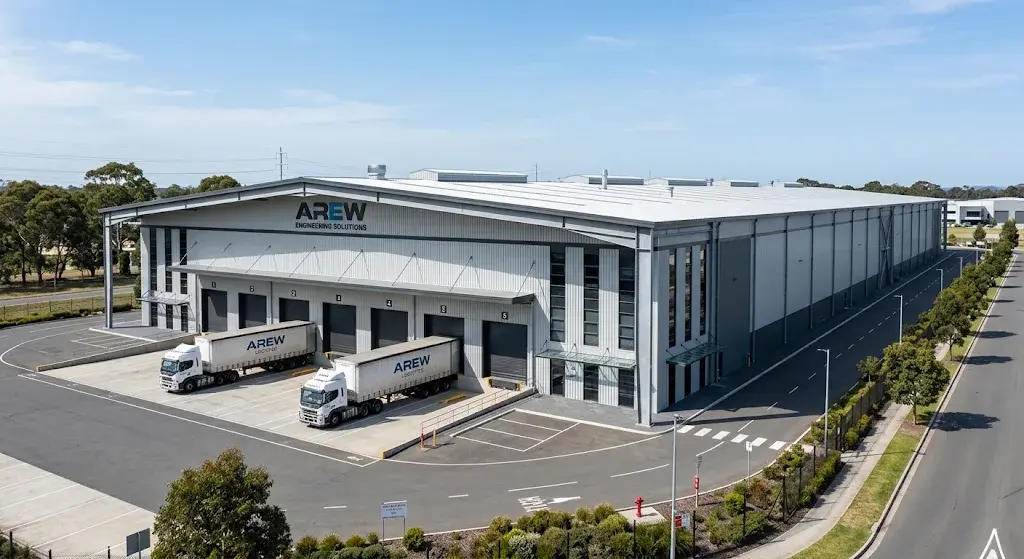
Industrial and commercial projects require carefully manufactured steel products to support storage, construction, equipment installation, and everyday operations. From customized storage vessels to structural frameworks, fabricated steel components are used across manufacturing facilities, warehouses, processing plants, and infrastructure developments.
Selecting the right manufacturing provider is an important part of these projects. Businesses need to consider more than the price of the finished product. Material specifications, engineering drawings, fabrication methods, dimensional accuracy, protective treatments, and installation requirements all influence the final result.
Storage tank manufacturing and structural steel fabrication are two important areas of industrial engineering. Although they involve different products, both depend on accurate planning, suitable materials, and coordinated manufacturing processes.
For businesses planning industrial developments in Lahore, understanding these requirements can help establish a clearer manufacturing scope. This guide explores how storage tanks are designed and manufactured, what structural steel fabrication involves, and which factors matter when selecting an engineering and fabrication provider.
1. Understanding the Role of Storage Tank Manufacturers
Industrial storage tanks are manufactured to hold water and other compatible materials according to specific operational requirements.
Different facilities have different storage needs. A manufacturing plant may require tanks for process water, while a commercial property may need dedicated water storage for its daily operations.
A storage tank manufacturer must consider the intended application before determining the tank's dimensions, material, configuration, and construction requirements.
Important project details include:
Required storage capacity.
Type of material being stored.
Tank height, diameter, and length.
Construction material and specifications.
Connections, openings, and access arrangements.
Installation space and supporting conditions.
Internal and external surface protection.
Inspection and maintenance requirements.
These factors help establish a suitable tank design rather than relying on standard dimensions that may not match the facility's needs.
2. Different Types of Industrial Storage Tanks
Storage tank requirements vary depending on the intended use, construction material, and operating environment.
Mild Steel Storage Tanks
Mild steel is widely used in industrial fabrication because of its structural strength, availability, and flexibility.
MS storage tanks can be manufactured in different dimensions and configurations according to the required capacity and installation conditions.
They are considered for applications such as:
Industrial and commercial water storage.
Manufacturing facilities.
General industrial storage.
Process-related applications.
Agricultural and infrastructure projects.
Because mild steel can corrode when exposed to moisture, suitable surface preparation and protective treatments should be specified according to the stored material and operating environment.
Stainless Steel Storage Tanks
Stainless steel is another important option for industrial tank manufacturing.
It offers corrosion resistance and surface characteristics that make it suitable for applications where material compatibility, cleanliness, and durability are important.
Stainless steel tanks may be considered for water storage, process liquids, food and beverage environments, and selected manufacturing applications.
The appropriate stainless steel grade should be selected according to the stored contents, temperature, chemical exposure, and relevant project requirements.
3. How to Choose the Right Storage Tank Manufacturer
Selecting a manufacturing provider requires evaluating its ability to understand technical requirements and develop suitable fabricated products.
Several factors should be considered before proceeding with a storage tank project.
Material Knowledge
The manufacturer should understand the properties and applications of different steel materials.
Mild steel and stainless steel have different characteristics, so the selection should reflect the intended storage application and operating conditions.
Customization Capabilities
Industrial facilities often have specific requirements regarding tank capacity, dimensions, connections, and installation space.
A suitable manufacturer should be able to discuss these requirements and develop a configuration around the project specifications.
Engineering and Drawing Coordination
Technical drawings help communicate tank dimensions, component arrangements, connections, and other manufacturing details.
Reviewing these drawings before production helps establish the required fabrication scope.
Fabrication Quality
Material preparation, cutting, forming, welding, assembly, and finishing all influence the finished tank.
Manufacturing requirements should be established according to the approved specifications and intended application.
Installation Considerations
Transportation, positioning, foundation requirements, access, and maintenance should be considered during the initial planning stage.
Addressing these details early can help reduce unnecessary modifications during project execution.
4. Understanding Custom Storage Tank Fabrication
Custom fabrication allows industrial storage tanks to be developed around specific operational and installation requirements.
Unlike standard storage containers, customized tanks can be planned according to the available space, required volume, selected material, and intended use.
Some important customization considerations include:
Tank capacity: Determine the amount of material the facility needs to store.
Dimensions: Establish suitable height, diameter, length, and overall configuration.
Material selection: Choose mild steel or stainless steel according to the stored contents and operating environment.
Connections: Plan the required inlet, outlet, drainage, overflow, and other application-specific connections.
Access arrangements: Consider inspection openings and maintenance access.
Surface treatment: Specify appropriate internal and external finishing or protective coatings.
Supporting structure: Evaluate the foundation and structural requirements according to the tank's full operating condition.
A well-defined manufacturing scope helps ensure that the completed tank corresponds with the intended application.
5. Understanding Structural Steel Fabrication
Structural steel fabrication involves manufacturing steel components according to engineering drawings and project specifications.
These components are used in industrial buildings, warehouses, commercial developments, infrastructure projects, and other construction applications.
Depending on the project, fabricated products may include:
Structural Beams and Columns
Beams and columns are important components of building frameworks and industrial structures.
Their dimensions, material grades, and connection details should follow the approved engineering design.
Steel Trusses and Frames
Steel trusses and frames provide structural arrangements for buildings, industrial facilities, and other construction projects.
Their design depends on required spans, structural loading, geometry, and supporting conditions.
Steel Platforms and Access Systems
Industrial facilities often require platforms and access structures for equipment, maintenance, and operational activities.
Their configuration should consider available space, intended use, access requirements, and relevant structural loads.
Steel Staircases
Steel staircases provide access between floors, platforms, and working areas.
Their fabrication may involve stringers, treads, handrails, landings, and supporting components.
Steel Gratings and Mezzanines
Steel gratings are commonly used in walkways, industrial flooring, drainage areas, and access platforms.
Steel mezzanines provide additional usable floor space in suitable warehouses, factories, and commercial buildings.
Each product requires different manufacturing and design considerations according to its application.
6. Structural Steel Fabrication: From Drawings to Finished Components
A coordinated fabrication process helps transform engineering designs into components that can be assembled at the project site.
Several stages are involved in manufacturing structural steel products.
Project Assessment and Drawing Review
The process begins with reviewing the project scope, engineering drawings, dimensions, material requirements, and installation conditions.
Connection details and component arrangements should be understood before fabrication starts.
Material Selection and Preparation
Steel sections and plates are selected according to the approved specifications.
Material grades, dimensions, and relevant documentation should be checked before manufacturing.
Cutting and Drilling
Steel members are prepared according to the fabrication drawings.
This may involve cutting sections, drilling holes, preparing plates, and manufacturing connection components.
Forming and Assembly
Individual components are positioned and assembled according to the intended structural arrangement.
Dimensional accuracy and alignment are important to ensure that fabricated members fit their designated positions.
Welding and Quality Checks
Where welding is required, specified procedures and project requirements should guide the work.
Quality checks may include dimensional verification, visual inspection, and additional testing where required by the engineering specifications.
Surface Protection and Finishing
Fabricated steel may require surface preparation, protective painting, or galvanizing depending on its installation environment.
The selected treatment should reflect moisture exposure, corrosion risks, and maintenance requirements.
7. What Information Is Required for a Fabrication Quotation?
Providing complete project information helps a manufacturer understand the requirements and establish an appropriate quotation scope.
For storage tank projects, useful information includes:
Required capacity and tank dimensions.
Stored material and intended application.
Preferred material and protective treatment.
Tank configuration and connection details.
Available installation space.
Relevant drawings and specifications.
For structural steel fabrication, businesses should provide:
Engineering drawings and structural layouts.
Steel grades and section specifications.
Component dimensions and quantities.
Connection and assembly details.
Surface treatment requirements.
Site location and installation conditions.
Accurate project information helps reduce uncertainty during planning and makes it easier to identify the required manufacturing operations.
8. Factors That Influence Industrial Fabrication Costs
The cost of fabricated steel products depends on several project-specific factors.
Material selection: Steel type, grade, plate thickness, and quantity influence material requirements.
Design complexity: Custom dimensions, specialized components, and connection arrangements can affect manufacturing work.
Fabrication operations: Cutting, drilling, forming, welding, and assembly contribute to the production scope.
Surface treatment: Painting, galvanizing, and other protective treatments may influence the overall cost.
Transportation: Component dimensions, weight, delivery arrangements, and site accessibility should be considered.
Installation requirements: Foundation preparation, lifting arrangements, site assembly, and connection work may contribute to the project scope.
Comparing quotations should therefore involve reviewing the included materials, specifications, manufacturing operations, and delivery requirements rather than considering the quoted price alone.
9. Arew Engineering Solutions for Storage Tank Manufacturing and Structural Fabrication
Choosing an engineering and fabrication provider requires an understanding of its manufacturing services, material options, and ability to accommodate different industrial requirements.
Arew Engineering Solutions provides fabricated storage tank solutions and structural steel fabrication services for commercial, industrial, construction, and infrastructure projects.
Businesses looking for Storage Tank Manufacturers can explore Arew's customized tank manufacturing services for different industrial and commercial applications.
Its storage tank fabrication solutions are developed around required capacity, dimensions, materials, tank configurations, connections, access requirements, and installation conditions. Both mild steel and stainless steel options can be considered according to the intended application.
For projects requiring fabricated structural components, Arew also provides Structural Steel Fabrication for industrial, commercial, infrastructure, and construction requirements.
Its structural fabrication services include beams, columns, trusses, platforms, support frames, steel staircases, gratings, mezzanines, and fencing.
Both services involve project-specific planning, material selection, drawing review, and coordination of manufacturing requirements.
Whether a business needs a customized storage tank or fabricated structural components for an industrial facility, discussing the technical details before production helps establish a suitable fabrication scope.
Businesses can contact Arew Engineering Solutions to discuss project drawings, required dimensions, materials, quantities, and manufacturing requirements.
Frequently Asked Questions
1. What does a storage tank manufacturer do?
A storage tank manufacturer develops and fabricates tanks according to required capacity, dimensions, materials, configurations, and intended applications.
2. What materials are used for industrial storage tanks?
Mild steel and stainless steel are commonly considered. Material selection depends on stored contents, corrosion requirements, operating conditions, and project specifications.
3. What is structural steel fabrication used for?
Structural steel fabrication is used to manufacture beams, columns, trusses, frames, platforms, staircases, gratings, mezzanines, and other components for industrial, commercial, and infrastructure projects.
4. Can storage tanks be manufactured according to custom specifications?
Yes. Tanks can be developed according to specific dimensions, required capacity, material preferences, connection details, and installation requirements.
5. What affects the quality of structural steel fabrication?
Important factors include approved engineering drawings, suitable materials, dimensional accuracy, connection detailing, specified welding procedures, surface treatment, and inspection.
6. What should I provide when requesting a fabrication quotation?
Useful information includes project drawings, dimensions, quantities, material specifications, intended application, site location, and installation requirements.
7. Does Arew Engineering provide storage tank and structural steel fabrication services?
Yes. Arew Engineering Solutions provides customized storage tank manufacturing and structural steel fabrication solutions for industrial, commercial, and infrastructure projects.
Conclusion
Industrial storage tank manufacturing and structural steel fabrication support different but closely related project requirements.
Storage tanks require careful consideration of capacity, material compatibility, configuration, and operating conditions. Structural steel components depend on engineering drawings, material specifications, connection details, and accurate fabrication.
Both applications require suitable materials, organized manufacturing processes, and appropriate quality checks.
For businesses planning industrial and commercial projects in Lahore, evaluating these requirements before manufacturing begins can help identify suitable fabrication solutions for their operational needs.